


10 Common Conditions You can Collect Social Security and Disability for Today
by April L. Roberts | Dec 14, 2021
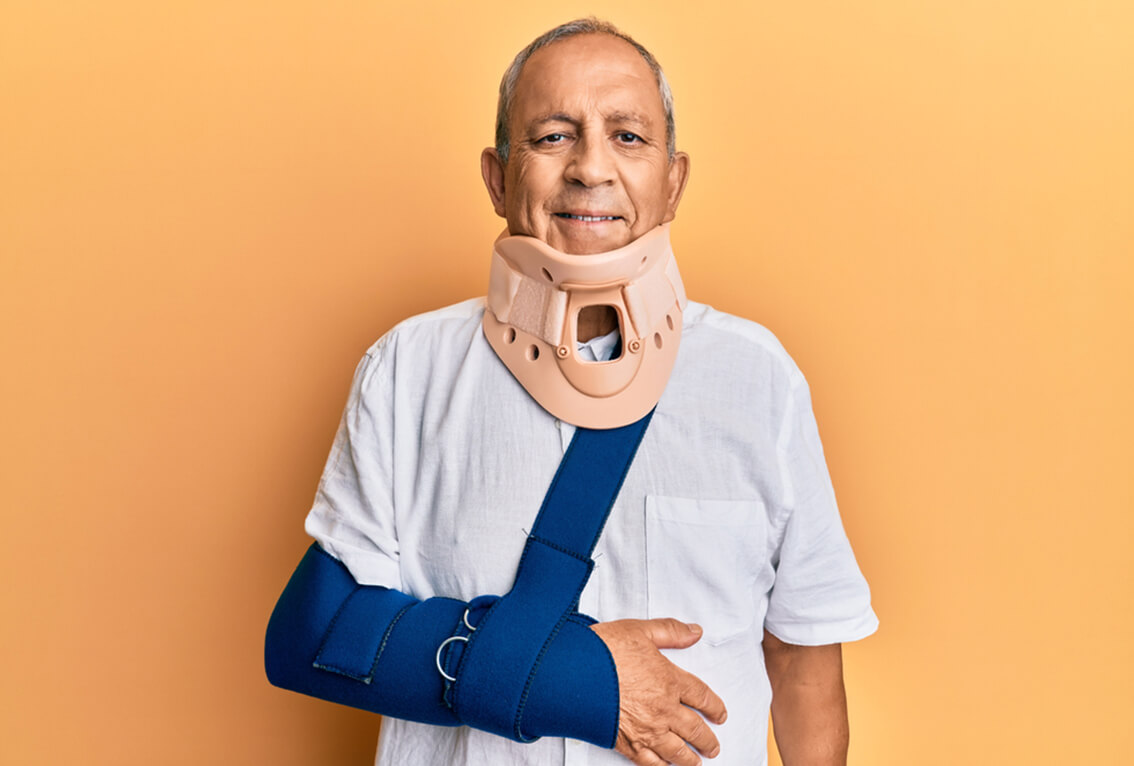
The Social Security Disability program has provided cash benefits to people with a wide range of disabilities. The diseases covered by the program range from musculoskeletal disorders, brain and spinal cord injuries to severe psychotic disorders and terminal cancers—the conditions are too numerous to list here, but we’ll look at the top 10 types of disorders that are most commonly seen in people who are eligible for SSDI benefits.
Are you disabled, as defined by the Social Security Administration or SSA?
You can refer to the SSA’s Annual Statistical Report on the Social Security Disability Insurance Program, which has published a comprehensive list of medical conditions covered under SSDI.
The SSA considers you disabled under Social Security rules if all of the following are true:
- You are unable to work as before due to a medical condition.
- You cannot adjust to doing work other than what you did before because of your medical condition.
- Your disability has lasted or is expected to last for at least one year or is likely to be terminal.
Who decides if you are disabled?
The important point to note is: Your doctors don’t decide if you’re disabled!
The SSA first checks your application to ensure that you meet the basic requirements for disability benefits. Then, they will verify non-medical eligibility requirements, like checking if you have worked the required number of years to qualify and evaluating your current work activities.
Finally, if you are eligible, your application is sent to the Disability Determination Services office in your state.
Disability Determination Services (DDS), a network of local Social Security field offices and state agencies, are responsible for developing medical evidence and determining whether the applicant is or is not disabled. Usually, the DDS obtains proof from your medical records and the doctors treating you and the medical institutions where you have been treated.
They find evidence to determine your ability to do work-related activities, such as walking, sitting, lifting, carrying, and remembering instructions.
If they feel they need more medical information before deciding, they may ask you to go for a special examination.
Top 10 common conditions for which you can claim social security and disability benefits
According to the United States Census Bureau report of 2018, about 27% of the people had a disability, and around 17% had a severe disability. Many conditions and injuries can cause disability.
The SSA’s Annual Statistical Report on the SSDI Program of 2018 lists the top 10 conditions for which disability benefits are claimed. These are:
- Musculoskeletal System Disorders: These disorders include arthritis, fibromyalgia, spine disorders, scoliosis, disc problems. They can make it almost impossible for the patient to do any work. About 30% of the people who claim disability benefits are from this group.
- Mood Disorders: Mood disorders like anxiety, depression, bipolar disorder, dysthymia can significantly affect a person’s ability to work. This group made up almost 13% of those receiving disability benefits.
- Nervous System: The brain, spinal cord, sensory organs, and nerves are involved in decision-making, and their proper functioning is critical for engaging in work. Meningitis, polio, epilepsy, neuralgia, multiple sclerosis, Parkinson’s disease, and brain and spinal cord injuries come under this group. About 10% of those on disability benefits have nervous system disorders.
- Intellectual Disabilities: Intellectual disability involves limitations in learning, reasoning and problem-solving. These disabilities affect a person’s capability to learn, retain information, and communicate. About 9% of those on disability benefits make up this group.
- Circulatory System: This system includes the heart, arteries and veins that carry blood away from and back to the heart. Heart attacks, heart failure, atherosclerosis, arrhythmia, stroke, high cholesterol, and high blood pressure come under this group. About 7% of those on disability benefits come under this group.
- Schizophrenic and Other Psychotic Disorders: Psychotic disorders such as delusional disorder, schizophrenia, and schizoaffective disorder make it difficult for patients to complete day-to-day activities and engage in regular work. About 5% of those on disability benefits form this group.
- Other Mental Disorders: Another 4% of those on disability benefits are due to mental disorders other than those mentioned above.
- Injuries: Physical injuries also lead to disability and can change a person’s life forever. The injuries might make the person unable to work as before – or not all. About 3.5% of people on disability benefits form this category.
- Organic Mental Disorders: Disorders such as dementia, amnesia, Alzheimer’s disease cause severe psychological and behavioural issues and can be temporary or permanent. Typical symptoms are brain function loss, confusion, and memory loss. They affect about 3% of those on SSDI.
- Neoplasms: A neoplasm is an abnormal growth in the body, like a tumour or lump. The main types of neoplasms include fibromas, lipomas, adenomas. These affect about 3% of those on disability benefits.
If you have received treatment for any of the above conditions, you must furnish medical evidence—including copies of your medical records, doctors’ reports, and recent test results. Your treatment records are used along with other information to see if you meet the SSA’s definition of disability.
Filing for disability benefits? Aaria Connect Disability Advocates are here to help
Filing for disability benefits is a stressful undertaking. Aaria Connect Advocates helps citizens file for SSDI benefits. The application process is tedious and requires extensive information to be collected and provided.
The FAQ lists on our website explains how to apply, how the SSA processes your application and an idea of how long it may take to get a decision. Since the application process is lengthy (four to six months to get an initial decision), it is advisable to file without delay. If you receive a rejection, you can file a disability appeal and try again.
At Aaria Connect Disability Advocates, our experts are with you all the way—right from getting your paperwork ready to supporting you if there is an initial denial of eligibility.
Contact us for a free assessment today and let our advocates help you achieve the disability benefits you deserve.
How Can We Help?
Our expert disability advocates are here to help. Reach out to us and let us know how we can be of assistance.


