


Does Pulmonary Fibrosis Qualify for Disability? The 2023 Always Up-to-Date Guide
by April L. Roberts | Jan 10, 2023
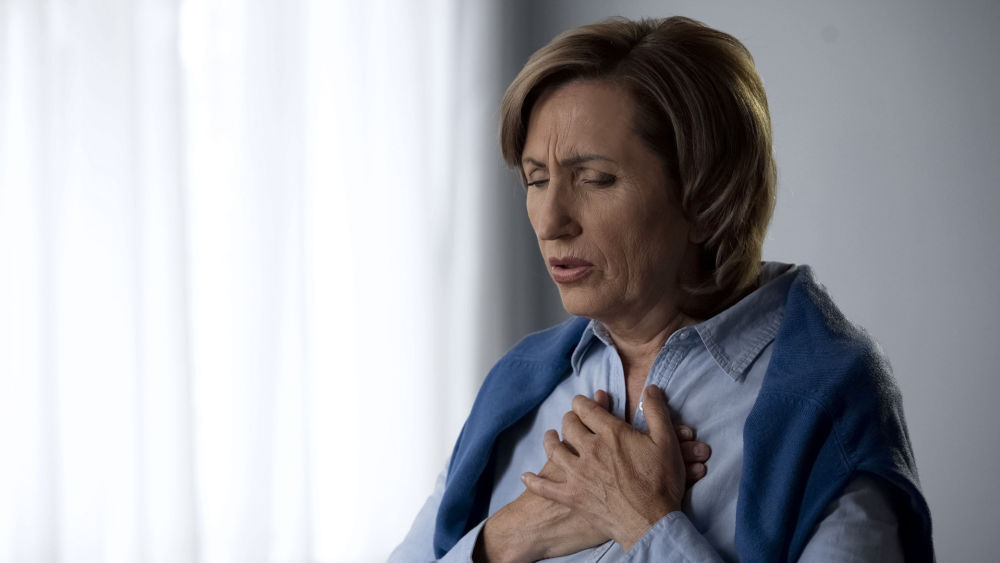
Pulmonary fibrosis makes it difficult for oxygen to pass into the bloodstream due to scarring of the lung tissue. Although there are many factors that can cause pulmonary fibrosis, the most common include exposure to toxins, radiation therapy, medical conditions, and some medications. Regardless of the cause, if you suffer from severe symptoms related to pulmonary fibrosis that impact your ability to work, you could qualify for social security disability benefits.
Our 2023, always up-to-date guide on pulmonary fibrosis explains how your condition could qualify for disability insurance under Section 3.00, Respiratory Disorders of the Social Security’s (SSA) listing of conditions.
What is Idiopathic Pulmonary Fibrosis?
Idiopathic pulmonary fibrosis stiffens lung tissue, interfering with proper lung function. Scarring is often related to an injury or exposure to toxic substances. However, when your doctor is unable to pinpoint a specific cause, your diagnosis is considered “idiopathic” pulmonary fibrosis. Symptoms tend to appear in people between 50 and 70 years of age. It is a progressive condition that can worsen over months or years and, unfortunately, has no known cure.
Idiopathic Pulmonary Fibrosis Symptoms
The most common symptoms of pulmonary fibrosis include:
- Chest pain
- A dry cough
- Shortness of breath
- Rapid breathing
- Weight loss
- Abnormal breathing sounds
- Headaches
- Aching muscles
- Lethargy (always feeling tired)
- Bluish skin around the fingertips
- Enlargement of fingertips and toes (clubbing)
Is pulmonary fibrosis a disability?
Pulmonary fibrosis does qualify for social security disability benefits based on the SSA’s listing Section 3.00, Respiratory Disorders. However, because it does not have a specific listing, you must provide medical records that show your symptoms meet the requirements for listing 3.02, Chronic Respiratory Disorders.
How does lung disease qualify for disability?
To meet the requirements for listing 3.02, some common medical records you must provide include spirometer testing performed at a pulmonologist’s office. Your lung function test results must show you suffer from severely reduced forced expiratory volume (FEV) or forced vital capacity (FVC).
Can You Receive SSI for Pulmonary Fibrosis?
Yes. However, you must first meet all non-medical Supplemental Security Income (SSI) criteria, including:
- You are 65 or older
- Based on the 2023 income requirements, you do not earn more than $914 for an eligible individual, $1,371 for an eligible individual with an eligible spouse, and $458 for an essential person, including all social security benefits, pensions, supplements for shelter and food, part-time work, etc.
- Your assets (not including your home or car) are not valued above $2,000 for one person or $3,000 for a couple
- You have applied for all available Social Security benefits to determine how they impact your income
You can only qualify for SSI for pulmonary fibrosis when you prove you are unable to work due to your symptoms.
Can You Receive SSDI for Pulmonary Fibrosis?
Yes. However, when your disability claim is processed, it goes through an intense five-step evaluation to ensure you meet both medical and non-medical criteria to qualify for Social Security Disability Insurance (SSDI). Because pulmonary fibrosis affects people differently, you must prove your symptoms make it impossible to work.
As a result, you can expect the SSA to include a residual functional capacity (RFC) assessment. This assessment considers whether your pulmonary fibrosis affects your ability to perform work requiring the following physical and cognitive functions/abilities:
- Sitting
- Standing
- Walking
- Lifting
- Carrying
- Bending
- Reaching
- Handling
- Concentration
- Memory
- Comprehension
- Interaction
- Maintaining pace
When looking at pulmonary fibrosis, environmental influences are also important such as limiting your exposure to fumes and chemicals as well as your ability to perform tasks throughout the average eight-hour workday. For example, severe pulmonary fibrosis causes frequent episodes of shortness of breath, which can make walking even a short distance difficult or working near irritating fumes impossible. Your symptoms can also occur at home, causing you to miss work frequently.
Vocational factors based on SSA GRID rules
The SSA uses the following GRID rules when considering SSDI eligibility:
- Age: The SSA considers younger people more trainable, which means if you are under the age of 50, it can be more difficult to qualify.
- Previous work experience: The SSA reviews your past 15 years of work to determine if you have acquired skills to perform other types of work despite your disability, whether it is skilled, semi-skilled, or unskilled duties.
- Education: Your level of education is also considered to determine how transferable your skills might be.
Medical Evidence Required for Idiopathic Pulmonary Fibrosis
The SSA reviews your medical evidence referring to Section 3.00, Respiratory Disorders under Section 3.02, Chronic Respiratory Disorders, to determine if you qualify. When your condition is not specifically listed, the onus falls on you to demonstrate your symptoms are at least equal to the criteria under listing 3.02. Medical evidence might include:
- Bronchoscopy with transbronchial lung biopsy
- Chest CT scans
- Chest x-rays
- Blood oxygen level measurements
- Pulmonary function and spirometer testing
- Written statements from your treating physicians
Also, the SSA considers many respiratory disorders severe enough to qualify for Compassionate Allowance, which means if you meet the criteria, your case could be eligible for fast-tracking under the SSA’s guidelines. The more medical evidence you provide, the more likely you are to receive approval with your initial application. Because the application process for disability insurance is so complicated, seeking advice and assistance from a disability advocate is advisable. Princeton Disability Advocates can also help determine whether you can fast-track your application and qualify for Compassionate Allowance.

Should I Seek Professional Assistance?
Almost 70 percent of applications submitted without professional assistance are denied during the initial application process. As a result, it is always best to work with a disability advocate to increase your chances of approval. Princeton Disability Advocates walk you through every step of the application process, ensuring everything is done correctly right from the start. Our services reduce the risk of delays or denials. We help ensure you receive the maximum benefits payout.
If you are looking for a disability advocate who fights for your rights, reach out to our team today.