


Navigating Social Security Disability Rules After Age 50: Your Essential Guide
by April L. Roberts | Dec 4, 2023

If you have a disability and are over 50, your age impacts the eligibility criteria in the disability benefits application process. What poses challenges for younger applicants tends to work in the favor of those over 50. As a result, if you cannot work due to a disability, it makes sense to apply for disability benefits to take advantage of how this milestone positively influences your claim.
In our essential guide to navigating social security disability rules after age 50, we explain how specific rules and considerations make it easier to receive benefits later in life.
Social Security Disability Rules After Age 50: The Relevance of Age
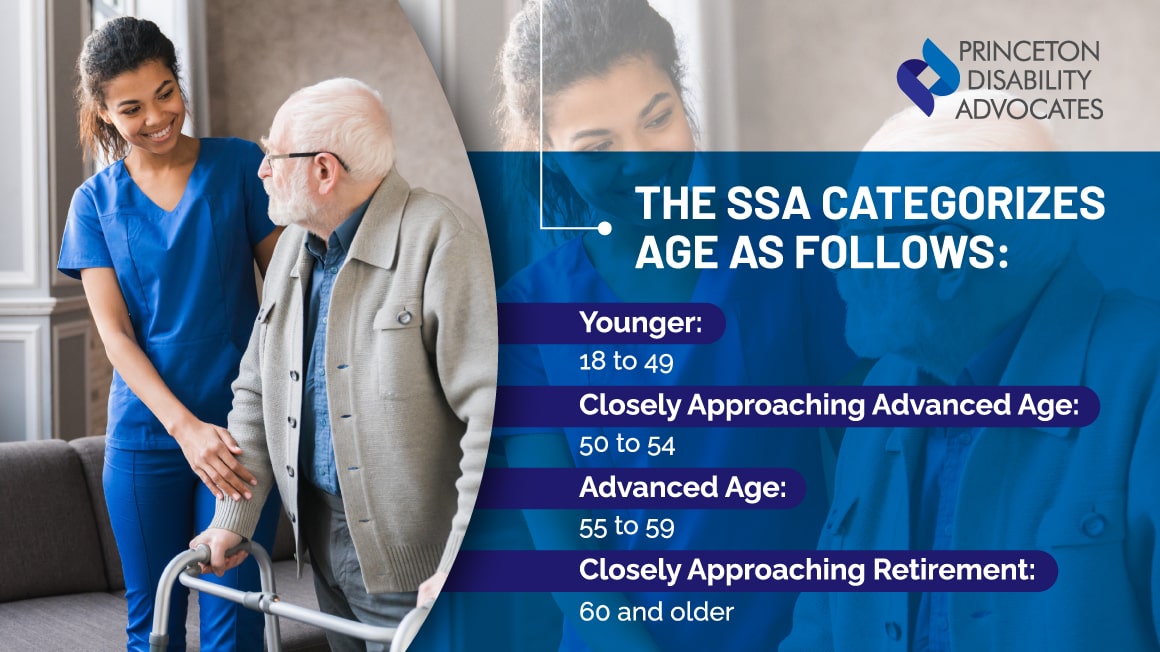
Whether you’re new to the application process or navigating appeals, turning 50 presents specific circumstances that can make it easier to qualify. First, according to the Social Security Administration, your age makes training and learning new skills more difficult. The SSA categorizes age as follows:
- Younger: 18 to 49
- Closely Approaching Advanced Age: 50 to 54
- Advanced Age: 55 to 59
- Closely Approaching Retirement: 60 and older
Additionally, because Social Security Disability Insurance funding comes from Social Security taxes, applicants must have earned enough work “credits” throughout their career to qualify. Most people over 50 will easily meet the criteria compared to someone younger who has not worked long enough to earn the required credits.
Understanding Eligibility Criteria: What are the Rules For Social Security Disability
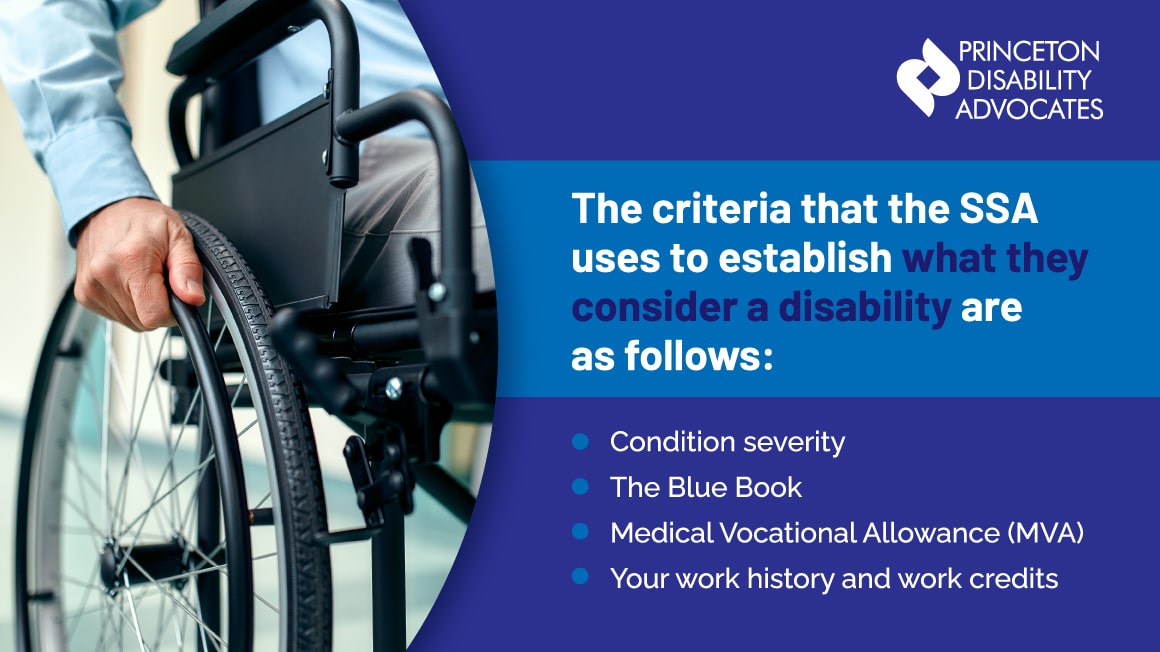
Security disability rules after the age of 50 are not necessarily different than the rules for younger applicants. Instead, it is more about how age impacts the SSA’s views of disability. The eligibility criteria require a very complex investigation of disability, looking at the possibility of applicants being able to conduct various types of work other than their current position. Although you might not be able to perform the duties of your current job, the SSA wants to establish whether you can perform tasks in another capacity. For example, if your job requires you to stand all day and your condition does not allow you to, the SSA might look for accommodation, such as providing a chair to do your duties. The criteria that the SSA uses to establish what they consider a disability are as follows:
- Condition severity: If your disability prevents you from earning a living or working for at least a year, you could be eligible for disability.
- The Blue Book: The SSA has a “Blue Book” listing the conditions they consider a disability. If you don’t match a specific condition in the book, you can qualify if your condition has symptoms equal to those on their list.
- Medical Vocational Allowance (MVA): You can also be eligible by obtaining what is called a Medical Vocational Allowance. The SSA uses “grid rules” to assess your work ability. The rules can make it easier to prove disability for those over 50 because the final criteria determine if you can train to perform new types of work. At the same time, your previous work experience is examined to determine if you can use old skills to perform work which can sometimes work against you.
- Your work history and work credits: Work credits are based on your annual wages, with a credit earned based on an annual minimum each year. You can earn up to 4 credits annually. For example, in 2023, you must earn $1,640 to get a credit and $6,560 to earn the maximum annual four credits. You need 40 work credits, 20 of which must be earned in the last ten years, to qualify for disability. As you can see, this might be harder for younger applicants.
Social Security Disability Rules After Age 55: Blue Book Vs. And MVA
You can qualify for disability based on symptoms that align with the criteria for a Blue Book condition OR based on a Medical Vocational Allowance. While the Blue Book is based on medical evidence such as symptoms, tests, and treatments, a Medical Vocational Allowance is based on the work you can perform with your condition and the job you are qualified to perform.
From a medical perspective, your age doesn’t come into play. However, for Medical Vocational Allowance, it tends to be easier to be approved based on the grid rules views of training over 50.
Security Disability Rules After Age 50: The Role of Work History
This is an area where your age and experience might work against you. SSA considers the past 15 years of your work history to categorize your experience based on the level of skills required to perform your job. The three categories are based on the following:
- Skilled: These are the most skilled jobs requiring a higher level of training or elevated education. This would include jobs requiring a license and often using complex abstract thinking.
- Semi-Skilled: These jobs require mid-range training. However, although education is preferred, it is not required. Here, the positions require attentiveness and awareness but don’t rely on abstract thinking.
- Unskilled: These jobs rarely rely on reasoning and instead have little to no training required.
SSA wants to know if your past work can be applied to new positions. So, while the SSA views those over 50 as less likely to train for a new skill, your history could pose an issue as they might find your past skills allow you to work despite your disability.
Expert Guidance: Social Security Rules After 50
Disability advocates guide disability applicants over 50 to help them successfully navigate the application and appeals process. For example, at Princeton, our Social Security claims submission experts understand the advantages and disadvantages of applying for disability after 50. We can help avoid common obstacles that can hold your application up and ensure you have the information needed for approval at the initial stage.
As mentioned, being over 50 often makes it easier to qualify. Our team understands the grid rules and provides questionnaires to help collect as much information as possible. We also know the Blue Book inside and out. We can support you in either finding a listed condition or aligning your symptoms with Blue Book criteria so you qualify based on medical criteria.
The Appeals Process Over 50
Whether this is your first denial or you have experienced multiple denials, it is essential to seek assistance when you know your disability is preventing you from working. You have likely worked for 30-plus years and have been contributing your social security taxes throughout your career. You can find assistance with a disability advocate who understands the appeals process and will tirelessly present your case to ensure you win your appeal.
Navigating social security disability rules after age 50 is always easier with a disability advocate. Our job is to avoid delays by providing the correct information with your application to prevent denial so you can avoid financial hardship. We can also help you win in the appeals process. Reach out to our team today.